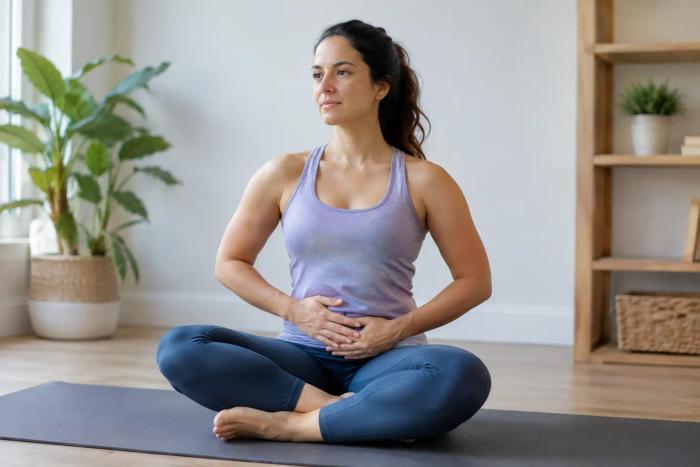

Online Intimacy Classes Versus Retreats Compared

A retreat can feel like a powerful promise: leave your usual life behind, enter a beautiful space, and give your relationship or inner world your full attention. Yet transformation does not always begin in a candlelit retreat center. Sometimes it begins on a quiet evening at home, when you finally have the privacy and guidance to meet your body, desires, and emotions with care. When considering online intimacy classes versus retreats, the best choice is not about which option is more “serious.” It is about what kind of support will help you feel safe enough to open.
Both paths can deepen connection, soften shame, and bring fresh energy to your love life. They simply create different containers for the work. Understanding those differences can help you choose an experience that fits your needs, your nervous system, your relationship, and your season of life.
Online Intimacy Classes Versus Retreats: The Core Difference
An online intimacy class brings expert-led teaching and guided practice into your own environment. You can learn about tantra, conscious touch, communication, pleasure, embodiment, or emotional healing at a pace that feels nourishing. For many people, that familiar setting makes it easier to relax. There is no travel, no pressure to share more than you want to, and no need to compare your journey with anyone else’s.
A retreat creates a temporary separation from everyday demands. You may spend a weekend or several days immersed in practices, group connection, reflection, and teacher support. Stepping out of routines can be deeply restorative, especially when work, parenting, screens, or household responsibilities have made intimacy feel like one more item on the list.
Neither format automatically creates transformation. A beautiful retreat cannot force readiness, and a home course is not “lesser” because it happens through a screen. The real question is whether the format gives you enough safety, structure, and space to practice honestly.
What Online Learning Makes Possible
For many beginners, privacy is not a small detail. It is the foundation. If you are carrying sexual shame, uncertainty about your desires, body image concerns, or anxiety about being witnessed, learning at home can offer a gentle first step. You can pause a lesson, take a breath, journal, repeat a practice, or simply return when you feel ready.
Online learning also supports integration. Tantra is not only something to understand intellectually or experience during a special weekend. It is a way of relating to breath, sensation, boundaries, emotion, presence, and connection in daily life. When you learn from home, you can practice in the very space where your relationship unfolds.
Perhaps you and your partner have avoided difficult conversations about touch, desire, orgasm, or resentment. An online course can give you language and a shared structure without making either of you feel put on the spot. You can watch a lesson together, try an exercise, then talk privately about what came up. That slower rhythm often creates more lasting change than one intense breakthrough.
There is also practical accessibility. Online classes tend to cost less than travel-based experiences, and they welcome people across time zones, mobility needs, family schedules, and comfort levels. A person who could never take four days away from work may still be able to devote one intentional hour each week to their intimacy.
The challenge of practicing at home
Home is familiar, but it can also be distracting. Laundry waits, phones buzz, roommates are nearby, and it can be tempting to postpone the practice until another day. Online learning asks for self-leadership. You need to protect the time, create a private atmosphere, and choose presence over convenience.
This is where a well-structured course matters. Clear guidance, experienced teachers, and practices that honor consent and emotional pacing can turn a bedroom or living room into a meaningful space for growth. You do not need perfect conditions. You need enough intention to show up.
What Retreats Can Offer That Screens Cannot
Retreats offer immersion. When you leave your ordinary surroundings, your attention can settle in a different way. Meals are planned, schedules are simplified, and there is room for longer practices, reflection, rest, and meaningful conversation. For couples who feel caught in recurring patterns, that interruption can be profoundly healing.
The energy of a carefully held group can also be powerful. Being around others who are exploring intimacy with maturity and openness may help dissolve the belief that you are alone in your questions. You may witness stories that reflect your own struggles with desire, communication, grief, boundaries, or vulnerability. This kind of shared humanity can be deeply moving.
In-person retreats also offer real-time support. A skilled facilitator can notice when an exercise needs more context, invite participants to slow down, or help create a safer container when strong emotions arise. For someone ready for deep relational work, that responsive guidance can be invaluable.
Still, a retreat is not always the right first environment. Group settings can feel exposing, even when participation is voluntary and boundaries are respected. The intensity of multiple practices in a short period may bring up more than you have time to integrate before returning to normal life. If you are in a tender season, beginning privately may be wiser than pushing yourself toward a breakthrough.
How to Choose the Right Intimacy Experience
Start by asking what you truly need, not what sounds most impressive. If you are new to tantra or conscious sexuality, an online class may help you build confidence without overwhelm. You can learn foundational skills such as breath awareness, consent-based communication, sensual presence, and body acceptance before entering a more immersive setting.
If you already have a steady practice and feel ready to devote focused time to your growth, a retreat may offer the reset you have been craving. This can be especially true for couples who want to reconnect away from familiar roles, or for individuals seeking a supportive space to explore emotional and erotic expansion.
Consider your capacity, too. Do you have the energy to travel, be in a group, and process new experiences? Are you seeking privacy because it feels aligned, or because fear is keeping you hidden? There is no shame in either answer. Honest self-awareness is part of the practice.
Your budget matters as well. Retreat pricing usually reflects accommodations, food, teachers, venue costs, and live facilitation. Online education offers a lower-commitment way to receive high-quality instruction. Choosing the accessible option is not settling. Consistent practice over months can be more transformative than a single weekend that stretches your finances.
A blended path can be deeply supportive
You do not have to choose one format forever. Many people begin with online education, where they can establish language, trust, and practical tools at their own pace. Later, they may attend a retreat when they want deeper immersion and community.
That sequence can make a retreat feel less intimidating. Instead of arriving with the pressure to “fix” your relationship or become a different person, you arrive with a foundation. You know more about your boundaries, your intentions, and the practices that help you feel grounded.
At YouTantra, this is part of the heart behind at-home learning: sacred sexuality can be explored with depth, skill, and tenderness in the life you are already living. A retreat may become a beautiful chapter, but your daily relationship with yourself is where the path continues.
Let Safety Guide the Decision
Whether you choose an online class or an in-person retreat, look for teaching that respects consent, choice, and emotional wellbeing. You should never feel pressured to touch, disclose, undress, partner with someone, or participate beyond your comfort level. Authentic tantra honors your agency. It does not ask you to override your body’s signals in the name of growth.
For couples, this is especially essential. A shared intimacy experience should not become a way for one partner to push an agenda. Before beginning, talk about intentions, boundaries, and what support would feel good if either of you becomes activated. Make room for different pacing. One partner may be ready for sensual exploration while the other first needs emotional safety and reassurance.
The most nourishing choice is often the one that invites curiosity without abandoning care. You can grow at the edge of your comfort zone without crossing your own boundaries.
A retreat can remind you that you deserve devoted time. An online class can remind you that intimacy belongs in ordinary life, not only in extraordinary places. Choose the container that helps you return to yourself with more honesty, more compassion, and a little more willingness to stay present with the person you are becoming.