How to Start Tantra Study Online With Confidence

Tantra does not begin with a performance, a perfect meditation posture, or a more adventurous sex life. It can begin with one honest question: What would it feel like to be more present in my body, my pleasure, and my relationships? If you are wondering how to start tantra study online, begin there - with curiosity rather than pressure.
Online learning can be a deeply supportive entry point because it gives you privacy, time, and space to move at your own pace. You can pause a lesson, repeat a breath practice, journal after an emotional realization, or talk with a partner when the moment feels right. The key is choosing study that treats tantra as a whole-person path, not a collection of sexual techniques.
Start With a Clear, Personal Intention
People arrive at tantra for many reasons. You may want to feel less disconnected during sex, soften shame around desire, bring more spark into a long-term relationship, or understand your body with greater tenderness. You may also be single and want to build a more loving relationship with yourself before sharing intimacy with anyone else.
Your reason does not have to sound spiritual or polished. It just needs to be true. A simple intention such as, “I want to feel safer receiving pleasure,” or “I want to communicate my boundaries without freezing,” gives your learning a meaningful direction.
Tantra can include breathwork, meditation, movement, emotional awareness, ritual, touch, sexual energy, and conscious relating. That breadth is a gift, but it can also feel overwhelming. Your intention helps you choose what to explore first instead of trying to absorb everything at once.
Choose Tantra Education That Feels Safe and Grounded
The quality of guidance matters, especially when a course touches sexuality, trauma-sensitive topics, body-based practices, or partner exercises. A beautiful website or bold promise is not enough. Look for teachers who speak clearly about consent, personal choice, emotional pacing, and boundaries.
A supportive online tantra program will not imply that you must share more than you want to share, push through discomfort, or become sexual before you are ready. It should make room for a full range of experiences: desire and hesitation, pleasure and grief, confidence and uncertainty. You are allowed to skip an exercise, modify it, or return to it later.
It also helps to understand the difference between education and therapy. Tantra study can support self-awareness and emotional healing, but it is not a replacement for licensed mental health care or medical support. If a practice brings up overwhelming memories, panic, numbness, or distress, pause and seek appropriate professional care.
Signs of trustworthy online instruction
Look for a learning environment that offers clear teaching, not mystery for mystery’s sake. The most helpful courses explain why a practice is being offered, what you might notice, and how to care for yourself afterward. They also avoid presenting one spiritual belief, sexual preference, or relationship style as the only path to awakening.
Teacher experience matters, but so does their tone. You deserve guidance that is warm without being coercive, sensual without being manipulative, and confident without claiming to have all the answers. Tantra is intimate work. Trust your body’s response to the teacher and the container they create.
Begin With the Foundations, Not Advanced Techniques
When people first search for tantra, they often encounter content about extended orgasms, sacred massage, semen retention, or highly charged partner practices. These can be meaningful areas of exploration for some people, but they are not the starting line for everyone.
The foundation of tantra is presence. Before focusing on what your body can do, practice noticing what it is already saying. Can you recognize a yes, a no, a maybe, a desire for more time, or a need for rest? Can you stay with a pleasant sensation for three breaths without rushing to intensify it?
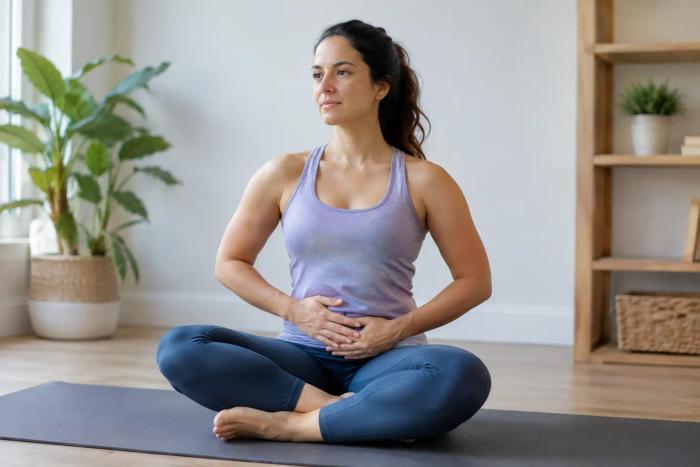
Start with practices that build body awareness and self-trust. A few minutes of slow breathing with one hand on your heart and one on your lower belly can be enough. So can a short body scan, a mindful shower, gentle hip movement, or sitting quietly and naming what you feel without trying to fix it.
These practices may sound simple. Their power comes from repetition. Many of us have learned to leave our bodies when we are stressed, self-conscious, busy, or afraid of being judged. Tantra offers an invitation to return, one moment at a time.
Create a Rhythm You Can Actually Keep
You do not need to turn your home into a retreat center or commit to an hour of practice every day. Consistency grows more easily when the practice feels possible on an ordinary Tuesday.
Choose a small rhythm that supports your life. You might watch one lesson each week, set aside 10 minutes for breath and embodiment three times a week, and spend a few minutes journaling afterward. If you are studying with a partner, schedule a regular check-in that is not automatically about sex. Ask what each of you is learning, what feels tender, and what kind of connection would feel nourishing.
Try not to measure progress by intensity. A dramatic emotional release can be meaningful, but so can noticing that you breathed more deeply during a difficult conversation. Tantra often changes the quality of your attention before it changes the visible shape of your life.
If You Have a Partner, Make Consent Part of the Practice
Partnered tantra is not about persuading someone to be more open, more spiritual, or more sexual. It is an opportunity to practice listening. Both people should have real freedom to say yes, no, not yet, or “I want to try this differently.”
Before any touch-based exercise, talk about the details. What kind of touch is welcome? What areas are off-limits? How will you pause? Is either person hoping for a particular outcome, such as intercourse or orgasm? Naming expectations can feel vulnerable, but it prevents silent pressure from entering the room.
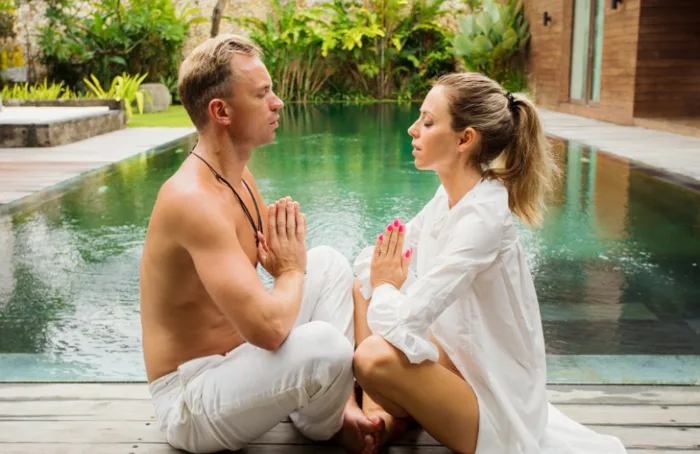
A useful place to begin is nonsexual connection. Sit facing each other, breathe together, maintain eye contact only if it feels comfortable, and take turns saying what you appreciate about the other person. You may be surprised by how intimate this feels. For some couples, slowing down is more transformative than adding a new technique.
If you are single, the same principle applies inwardly. Self-touch, movement, and sensual exploration should be guided by your own consent and comfort. There is no requirement to make your practice erotic. The body deserves reverence whether you are resting, grieving, dancing, breathing, or experiencing pleasure.
Let Your Questions Lead Your Tantra Study Online
As you learn, pay attention to the questions that keep returning. Perhaps you want to understand arousal without shame. Perhaps you are curious about masculine and feminine energetic language but want an approach that honors your identity rather than boxes you in. Perhaps you and your partner want to rebuild trust after years of distance.
These questions can guide your next course, lesson, or practice. You do not need to study every branch of tantra to receive something real from it. Depth is often created by staying with the themes that genuinely touch your life.
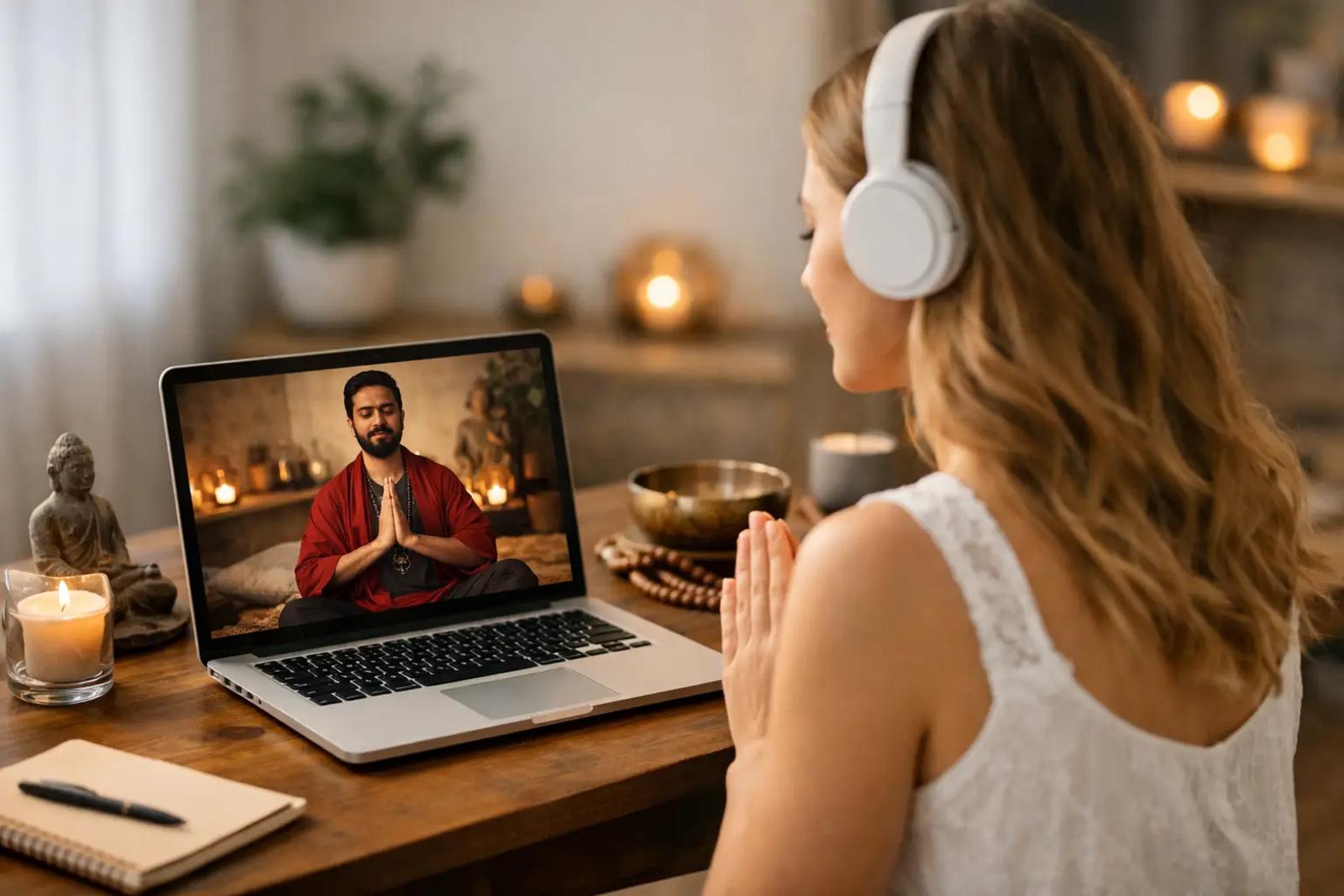
A structured platform such as YouTantra can be especially helpful when you want expert guidance without the pressure of an in-person group setting. Learning at home allows you to explore private subjects with greater discretion while still receiving a clear pathway through embodiment, intimacy, and sacred sexuality.
Give Yourself Permission to Go Slowly
Tantra is sometimes marketed as a fast route to bigger pleasure or instant relationship transformation. It may bring beautiful changes, but it also asks for honesty. You may discover a boundary you have ignored, a grief you have carried quietly, or a desire you have never given yourself permission to name.
Go slowly enough to stay connected to yourself. Drink water after emotionally charged practices. Write down what surprised you. Take a walk. Let your nervous system settle before deciding what a practice means. If something feels expansive, savor it. If something feels too much, step back without judging yourself.
The most meaningful beginning is not the one that looks impressive. It is the one that helps you meet yourself with more kindness, more truth, and a little more room to feel alive.