Best Online Tantra Classes for Deeper Connection

A tantra class can feel deeply personal even before it begins. You may be carrying questions about desire, body confidence, intimacy, or a relationship that has slipped into routine. The best online tantra classes make room for those questions without treating you like a problem to solve. They offer grounded guidance, meaningful practice, and the privacy to explore at a pace that feels right for you.
Online learning is not a replacement for every kind of in-person experience. Touch-based workshops, retreats, and partnered practice can create a unique sense of shared energy. Yet learning at home has its own quiet power. You can pause a lesson, take time to feel what is arising, repeat a practice, and build trust with yourself before sharing it with anyone else.
What Makes the Best Online Tantra Classes Different?
Tantra is often reduced to sexual techniques, but that is only one small part of the path. At its heart, tantra is a practice of presence. It invites you to meet breath, sensation, emotion, pleasure, and connection with greater awareness.
A thoughtful online course teaches more than how to create arousal or try something new in the bedroom. It helps you understand consent, communicate desires with care, stay connected to your body, and release some of the shame or pressure that can make intimacy feel difficult. For singles, this may begin with self-intimacy and embodiment. For couples, it may mean creating a more honest, playful, and connected erotic life together.
The best programs also avoid promising instant transformation. Some practices can feel expansive and joyful; others may bring up vulnerability, grief, numbness, or old beliefs about your body and sexuality. A trustworthy teacher presents tantra as an invitation, not a performance standard. There is no right way to feel, and there is no need to force an experience.
Start With Safety, Consent, and Credible Teaching
Before choosing a class, look closely at how it speaks about safety. Sacred sexuality is not a reason to abandon boundaries. In fact, the ability to name a clear yes, a clear no, or a genuine “not yet” is central to conscious intimacy.
Strong courses explain consent as an ongoing conversation rather than a box to check once. They encourage you to choose what feels nourishing, modify or skip practices, and communicate openly with a partner. This matters whether the class is focused on breathwork, sensual touch, erotic energy, massage, or kink-informed exploration.
Teacher credibility matters too, although credentials alone do not guarantee a good fit. Look for instructors who are transparent about their training, experience, and approach. The most supportive educators speak clearly about sexuality without using fear, manipulation, or exaggerated spiritual claims. They respect the difference between education, coaching, and therapy.
If you have experienced sexual trauma, relationship violence, or intense emotional distress, a tantra course may still be supportive, but it should not be your only source of care. Consider working alongside a qualified trauma-informed therapist or health professional. A responsible program will never suggest that you need to push through overwhelm to heal.
Notice How the Course Handles Touch
Some online tantra classes include self-touch or partnered touch practices. Others focus first on breath, meditation, movement, communication, and energetic awareness. Neither approach is automatically better. The right choice depends on your comfort, experience, and what you hope to explore.
If touch is included, the teaching should be specific about permission, pacing, hygiene, boundaries, and checking in. It should never assume you have a partner or imply that partnered practice is required for growth. A good class gives you options, including ways to adapt exercises for solo practice.
Choose a Path That Matches Where You Are Now
It is easy to be drawn toward advanced topics, especially if you are hoping to reignite passion quickly. But the most transformative starting point is often the one that meets your current capacity.
If you are new to tantra, choose a course that introduces the foundations: embodied breathing, nervous system awareness, consent, presence, and simple communication. These practices can change the quality of intimacy long before you learn a more specialized technique. They help you move from trying to impress or achieve toward actually feeling.
If you are in a long-term relationship, look for lessons that create conversation as well as chemistry. A course can teach beautiful rituals, but the real shift often comes from asking each other better questions: What helps you feel safe? What kind of affection do you miss? What are you curious about? What would make pleasure feel less pressured?
More experienced students may want focused education in areas such as yoni massage, lingam massage, semen retention, multiple-orgasmic practice, or conscious kink. These subjects deserve patient, anatomy-aware instruction. Be wary of courses that make sweeping promises about guaranteed orgasms, masculine or feminine “rules,” or healing through one technique. Bodies and desires are wonderfully varied.
Consider the Learning Experience, Not Just the Topic
A course title can sound exciting, but the structure determines whether you can truly integrate what you learn. Short videos may be ideal if you have limited time and want simple practices to bring into your week. A longer program can be better if you are working with deeper patterns around shame, disconnection, or communication.
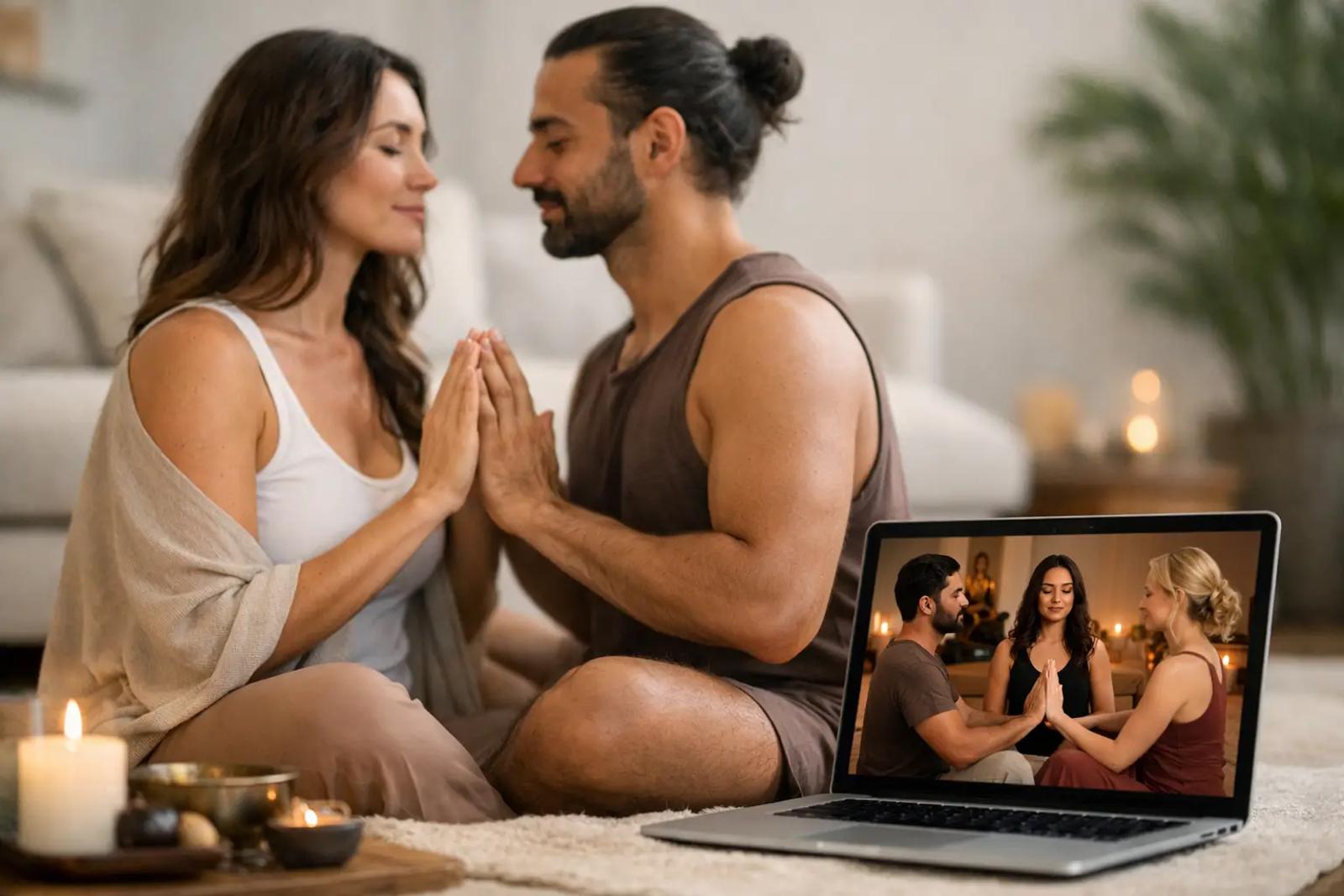
Ask yourself whether you learn best through guided video, audio practices, written reflection, live sessions, or a blend of formats. Some people value community because it reduces the isolation that can surround sexual questions. Others need privacy and prefer self-paced learning. Neither preference is more evolved. It is simply useful to choose a container that lets you stay present rather than overstimulated.
Look for clear descriptions of what is included. You should know whether you receive lifetime access or limited access, whether there are live calls, and whether practices are designed for solo learners, couples, or both. A transparent program helps you make an informed decision without pressure.
Make Space for Practice at Home
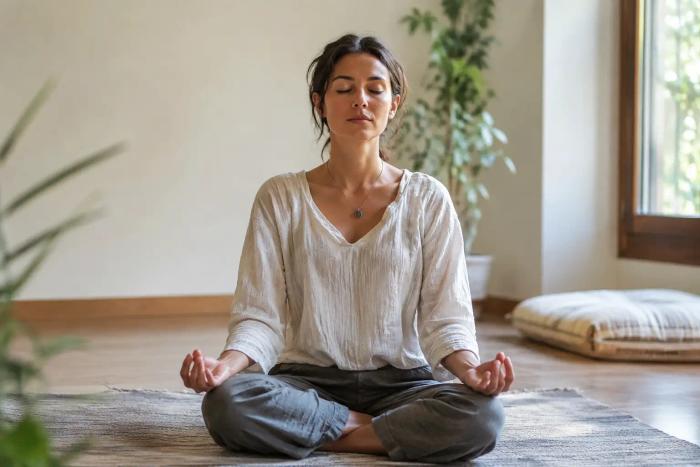
Tantra does not require a perfectly styled bedroom, expensive tools, or hours of uninterrupted time. It does ask for attention. Before you begin a class, decide how you will protect a little space for yourself.
That might mean ten minutes of breathing before sleep, a weekly check-in with your partner, or an afternoon when you can watch a lesson without rushing. Put your phone away when possible. Have water nearby. Wear clothes that help you feel comfortable in your body. Small choices like these tell your nervous system that this time matters.
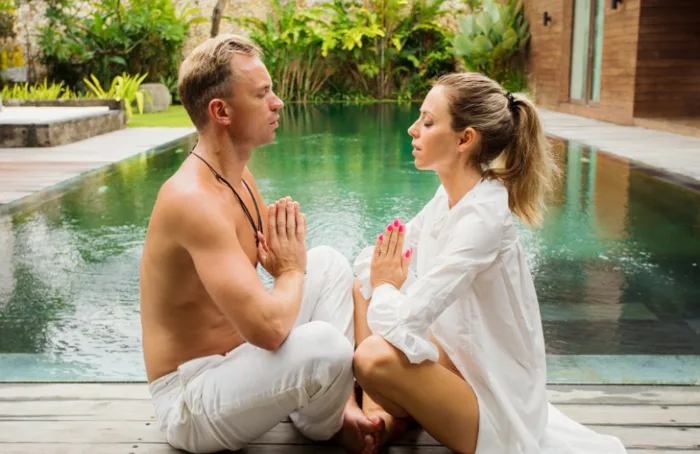
When practicing with a partner, agree that either of you can pause at any point. Try replacing the question “Did we do it right?” with “What did you notice?” Tantra becomes much more alive when curiosity takes the place of judgment.
Why Privacy Can Support Real Transformation
Many people hesitate to learn tantra online because the subject feels too intimate for a screen. But privacy can be exactly what allows honest exploration. You can learn without worrying about who is watching, without comparing your body or relationship to anyone else’s, and without needing to reveal more than you want to reveal.
At home, you also have the chance to bring practices into real life. Instead of leaving a weekend workshop inspired but unsure how to continue, you can revisit a lesson before a date night, after an argument, or during a season when you want to reconnect with yourself. Integration is where insight becomes a new way of relating.
YouTantra offers this kind of guided, at-home learning through expert-led teachings that welcome both curious beginners and experienced explorers. The goal is not to become someone else. It is to awaken a more honest relationship with your body, your pleasure, and the love you are ready to create.
The right class will not demand that you be more sensual, spiritual, confident, or adventurous than you are today. It will invite you to arrive as you are, breathe a little deeper, and listen for what your body has been trying to tell you.